What to ask a your contractor when planning a bathroom remodel—and what happens when things go wrong in Silicon Valley
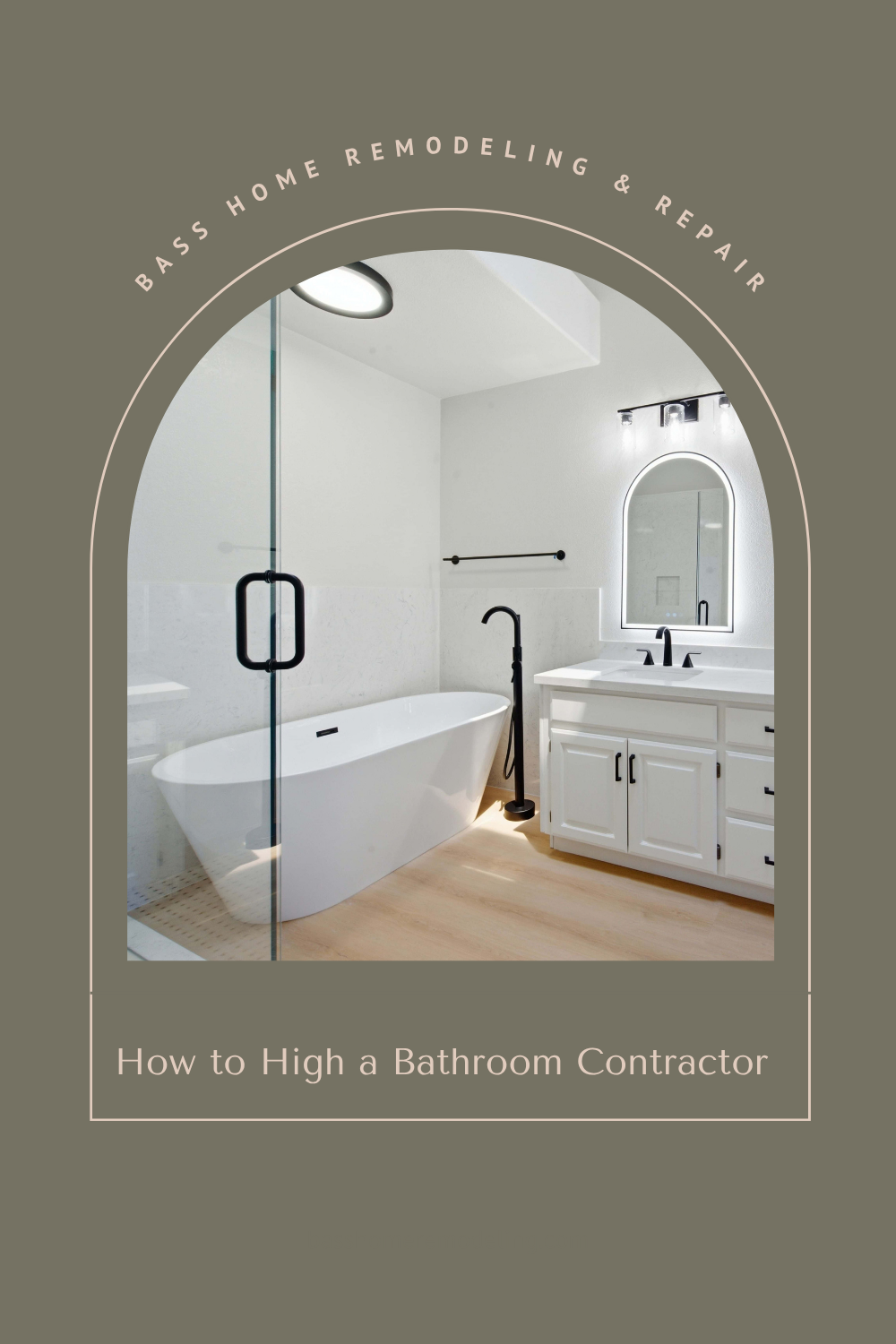
If you are considering a bathroom remodel, the stakes can be higher than most Bay Area homeowners expect. Why? Because we're dealing with water.
Here’s the reality of bathroom remodels that we wish every homeowner understood:
Contractors bidding on the job should be addressing issues such as waterproofing and structural considerations from the first conversation because it's essential that your bathroom project be not only beautiful, but it should be safe and keep your family healthy.
As a homeowner, it is incredibly important that you know your contractor will do the work to remodel your bathroom properly and you should be able to have a high level of trust in their abilities. Unfortunately, we often see this isn't the case when we inspect remodeled bathrooms.
How do you verify whether a bathroom remodeling contractor is legit and serious about their business?
First things first: Always ask a contractor if not only are they are not only licensed, but also bonded, insured, and carries workman's comp. If they answer “yes” to each of those questions, that is a good sign that they are serious and will be around for longer than your job. It means that they are committed to staying in this industry in our region, and that means your can claim your warranty from both the contractor and suppliers should there be a problem in the future.
The home remodeling and repair industry is a bit like the Wild West, with relatively low barriers to entry, which means that anybody can go and buy a license and and make a website and even get fake reviews to look legitimate. Which, for homeowners, means that selecting the right general contractor can be an overwhelming and stressful endeavor.
Secondly: do your due diligence and double-check what the contractor has told you. You can check whether or not the general contractor you're considering have all the proper insurance, licenses, and coverages such as worker's comp.
When they don’t, it often means that they can't afford it, which indicates that we don't really know how their business is running or that there’s a good possibility that they just want to work for a few years and make a few bucks and then be gone. If they're cutting corners on the basics of business infrastructure, where else are they cutting corners? In many cases, it may be in your home. We get so many calls where people are like, "This person we hired screwed up, and now they're not picking up their phone.”


One of the easiest specific construction questions to ask if you're talking to bathroom contractors about a remodel is, “What is your shower pan waterproofing process?”
Let me explain why this question is critical when it comes to choosing the right contractor for your bathroom remodel.
Two popular shower pan processes are the “hot-mop” and the Schluter Kerdi system. The hot-mop is basically using roofing tar to seal in the substrate (this means the surface that tiles and shower pans are placed on) and tends to be a bit cheaper than the alternative.
At Bass Home Remodeling & Repair, we are firm believers in using Schluter’s Kerdi board system. This shower building system is a water impermeable, thermally insulating, and vapor tight backing and substrate made from extruded polystyrene foam with a fleece webbing. It really allows for us to build a water-tight shower which significantly reduces the possibility of future water damage—something we always need to be thinking about when it comes to bathrooms.
One of the tests we run every single time we install a shower (and is even code in some places in Silicon Valley) is that after the Kerdi board is installed and sealed, but before the tile is installed, is that we plug the drain, fill the shower pan up to a specific mark and let it sit for 24 hours. When we check it the next day the water level should be the same if there are no leaks. This testing time is built into all the bathroom job that we do. Skipping this step isn’t saving your project time, instead, it means your bathroom contractor is rushing things.
Remember: Anywhere there's water, such as in a remodeled bathroom, we need to be diligent about sealing and testing to stop problems before they happen.
Doing it right the first time: What can go wrong with the wrong bathroom remodeling contractor.
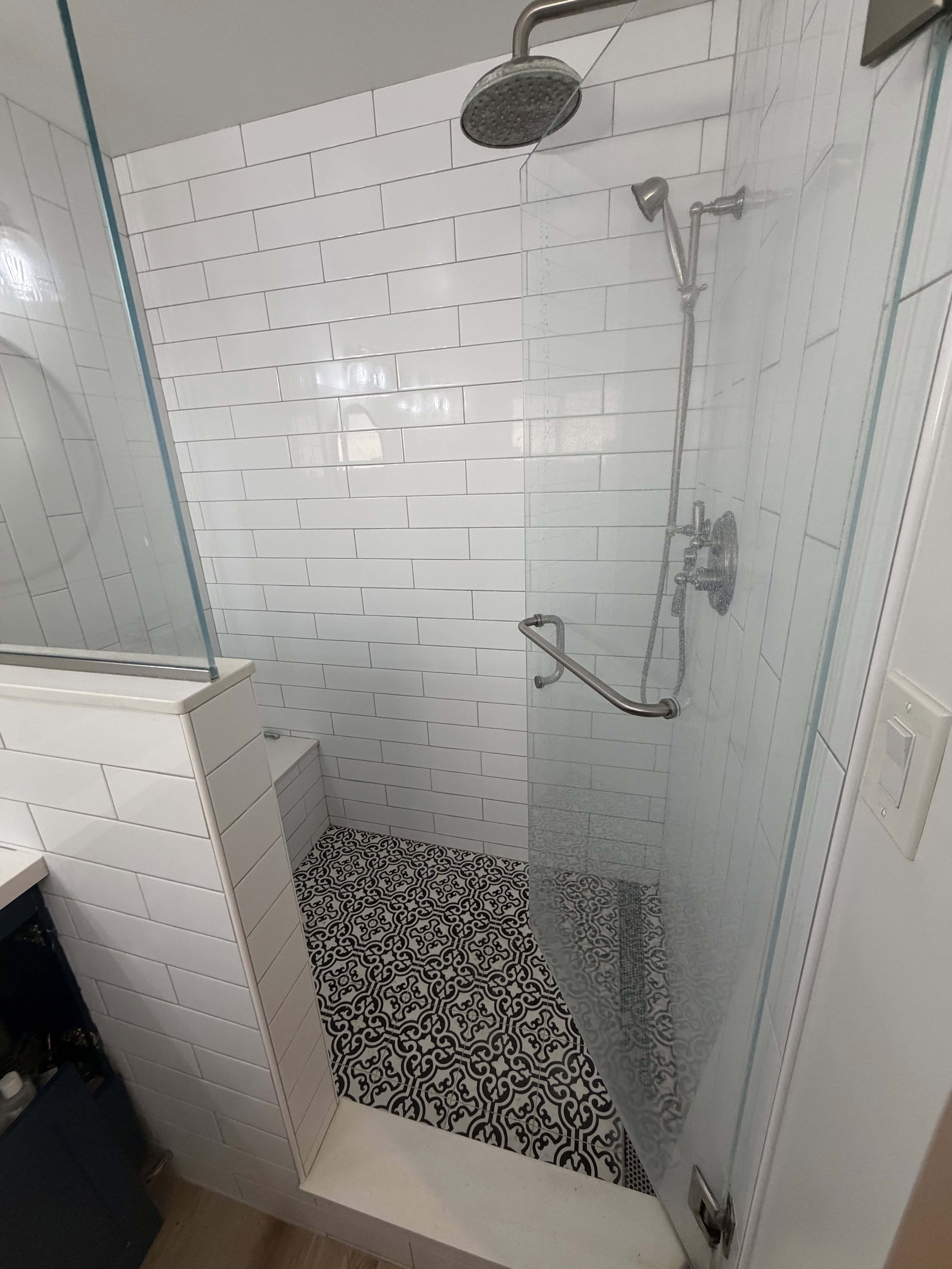
This bathroom remodel looked great—but water damage and dangerous mold were hiding behind the polished finishes.
Recently, we had a client who had hired a licensed contractor to remodel their bathroom several years ago. The remodel at first looked great—aesthetically it was what they were hoping for, and they were happy with the appearance of the previous contractor's work. But as time went by, they noticed a soft spot in their hallway floor and had issues with mold—a new problem in their home.
While having their floor fixed for that soft spot, they realized that they needed just more their flooring contractor to do a quick replacement of the floorboards—they had water problems and that remodeled bathroom looked like the prime suspect.
When I started my investigation of where the water was coming from, it quickly became obvious that their remodeled bathroom was indeed the source of all of this damage to their home. The waterproofing of the shower pan (which your shower floor sits in) was not done properly in any way, shape, or form.
There was a continuous leak that had gone from shower pan to the hallway floor, and up the wall in the hallway. There was mold—so much mold. This meant that these clients needed not only another new bathroom, but the framing had drywall needed to be replaced to make the home safe to live in, as mold is incredibly dangerous to breath.
The list of what had to be done thanks to an improperly tested and installed shower pan is extensive:
Bathroom re-remodel
New flooring in the hallway
Mold mitigation
New studs and drywall
Furthermore, proper bathroom remodels go beyond fixtures and shower pans—it’s also about keeping a job site safe for everyone.
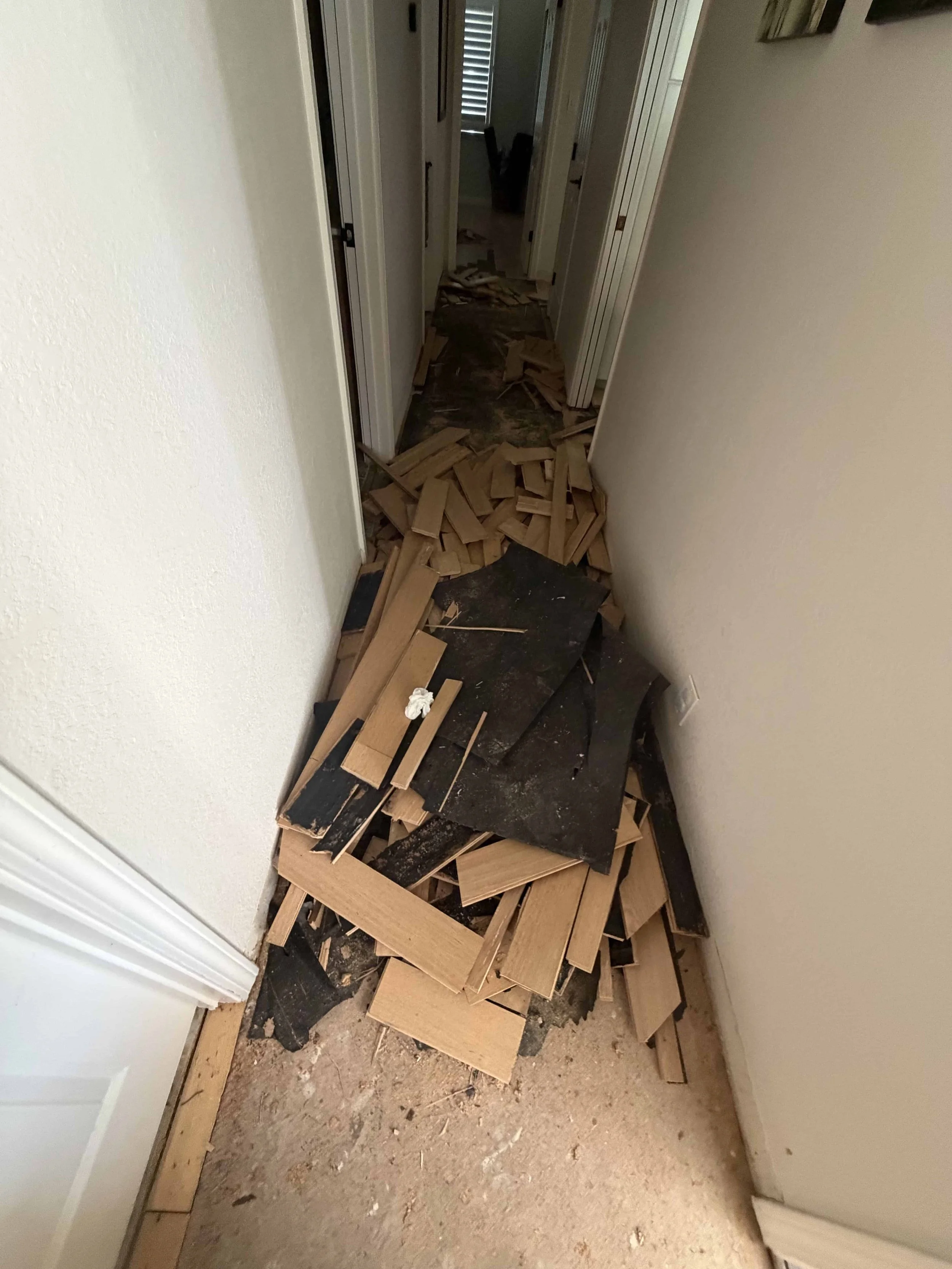
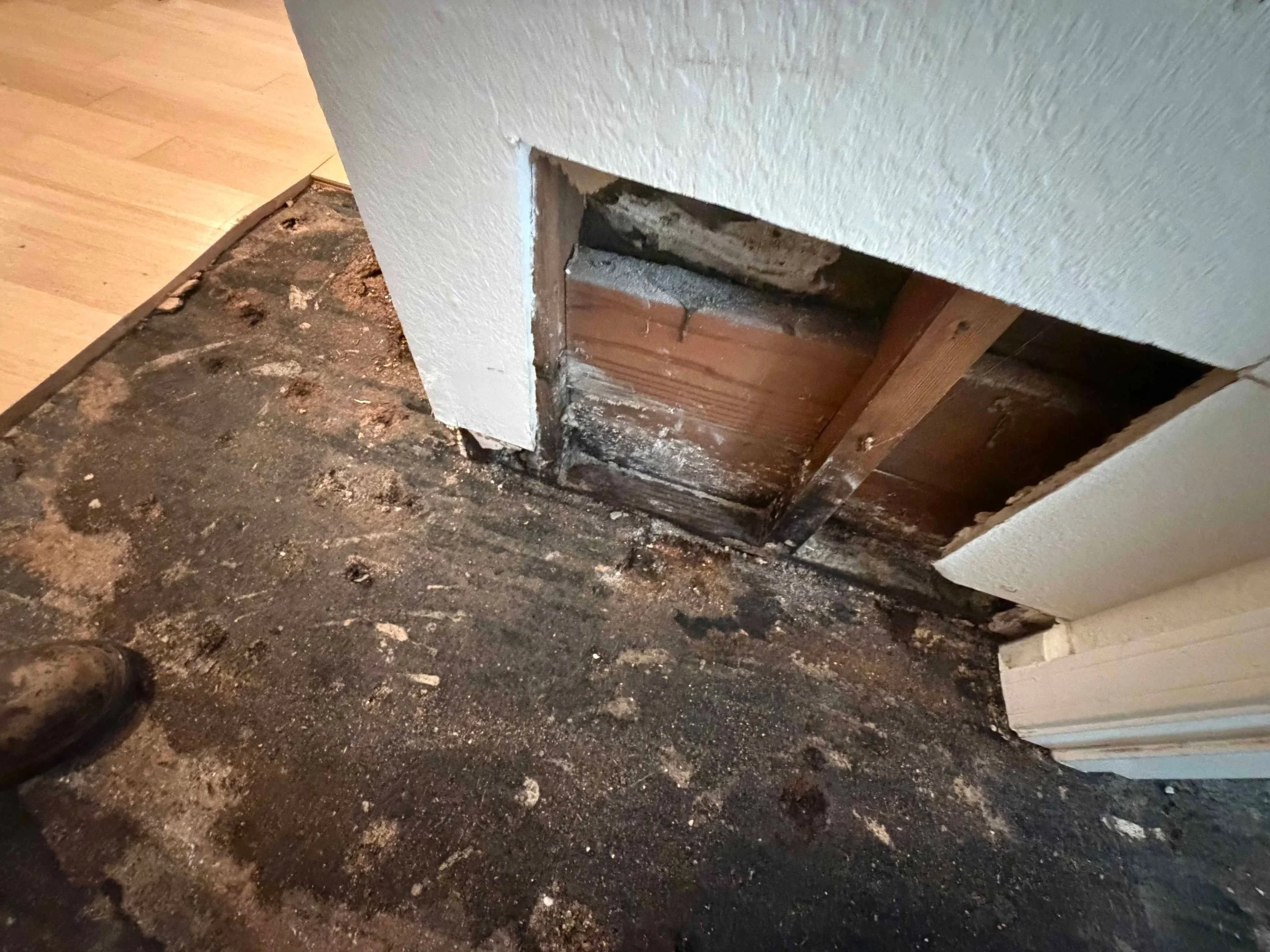
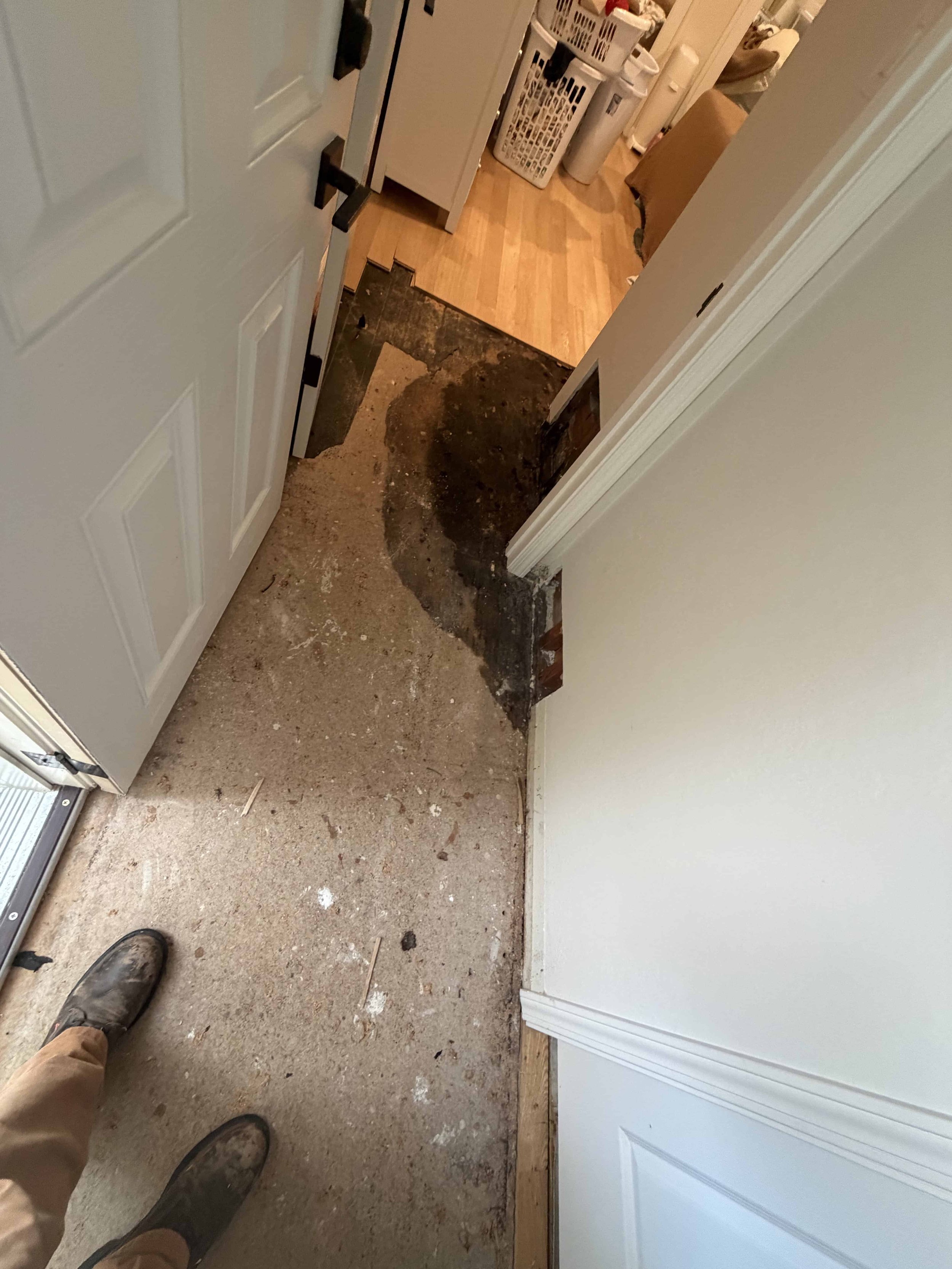
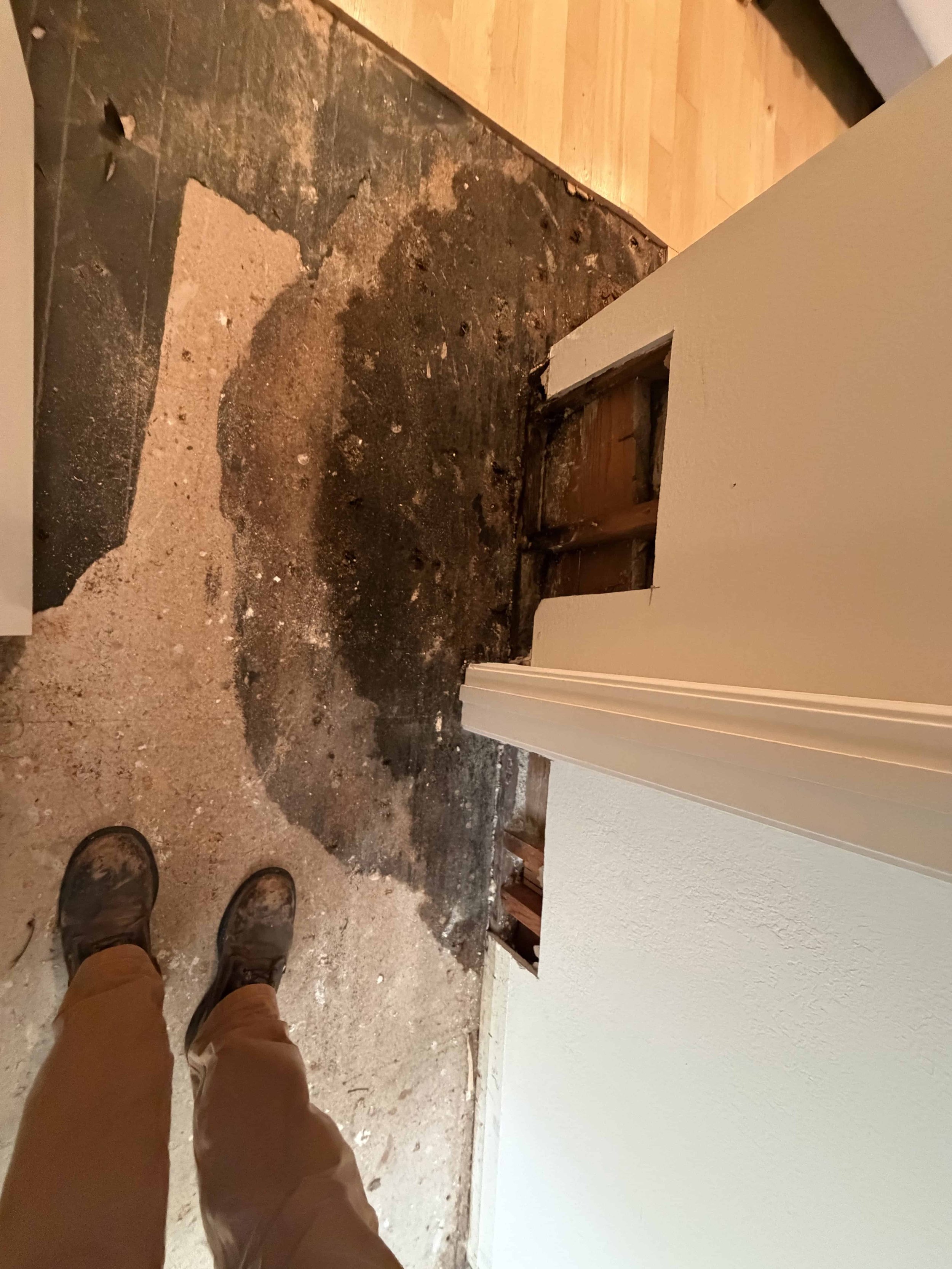
We were brought in for the bathroom side of the job and we were absolutely shocked to see a pile of molded lumber piled up inside the house, something that should never happen. Another vendor that they selected didn't dust protect the family home. So when they removed the moldy materials, they aerosolized all the mold into the client’s bedding, into their clothes, into quite literally everywhere. It was unbelievable, especially as the client had recently welcomed a new baby into their family.
This is just one example of not hiring the right people can cost more money and even end up being a health hazard.
A beautiful bathroom remodel isn't defined by the tile you choose—it's defined by the waterproofing you never see. Protecting your home and your family's health comes down to asking the right questions before a single tool touches your space.
Don't be afraid to press potential contractors on licensing, insurance, specific waterproofing materials, and mandatory water-tightness tests. A reputable contractor will welcome those questions with clear, confident answers. Doing a little homework up front is the difference between a bathroom that lasts for decades and a quiet leak that turns into an expensive nightmare.
Ready to talk to a Silicon Valley contractor who care first and foremost about doing the job right, the first time? Reach out for a no-pressure consultation.
Key Takeaways
1. Ask questions! The cheapest bid is not always the best bid and the more questions you ask the more prepared you will be to make the smartest longterm decision. A good contractor will be happy to share information about their approach and why they tackle jobs in specific ways.
2. Do your research on a potential contractor. Are they licensed? Are the bonded and insured? Do they pay workers comp? A reputable contractor will gladly answer these questions.
3. Not sure about licensure? In California, licensed contractors must include their license number in all construction contracts, subcontracts, and calls for bid, and all forms of advertising. There is handy lookup website to make sure your contractor's license is up-to-date and legitimate, because there is a problem, unfortunately, with fake licensure.
4. You can have beauty and quality—talk to your contractor about how to achieve your design goals for your bathroom remodel while also protecting your home from water damage. You want the work on your home that is behind the walls to be as quality as the visible results. Having beautiful tilework that crumbles in a couple of years time is a waste of your time, money, and resources.