Preparing Your Silicon Valley Home for an El Niño Winter: Tips from a General Contractor
Winter of 2026-2027 is forecasted to bring a giant El Niño weather pattern with lots of moisture, to the Bay Area and Silicon Valley, so we’re all going to be getting good use out of our umbrellas and raincoats and with that another thing needs protection from the wet El Niño weather: your home.
What does the El Niño weather pattern mean for your home and what should you do to get ready for it in the Silicon Valley?
Let’s start with understanding what this Gigantic El Niño year is all about. The simplest explanation is it is when the waters off the coast warm higher than normal it creates a knock-on effect to our weather.
This warm water generally means: more wet, warmer weather, and higher tides, among other things. Basically, there is a 70 percent chance that this year’s El Niño will be the strongest since 1950 when records started. You can read more about what this means for weather forecasting here and here.
As a licensed general contractor and specialist in water damage repair and restoration, this is what I want every homeowner in the Bay Area to know about this upcoming wet El Niño winter and its impact on your home.
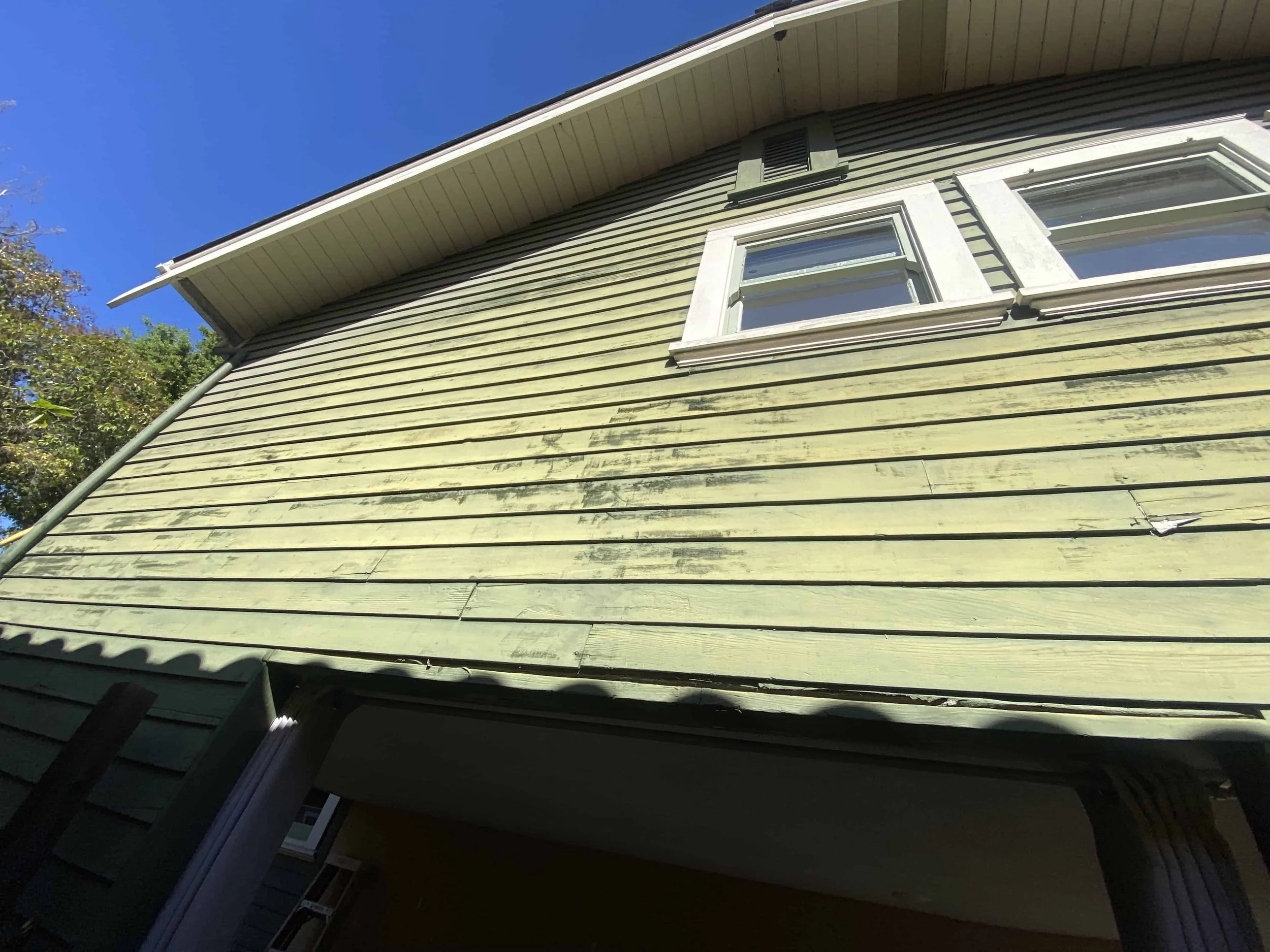
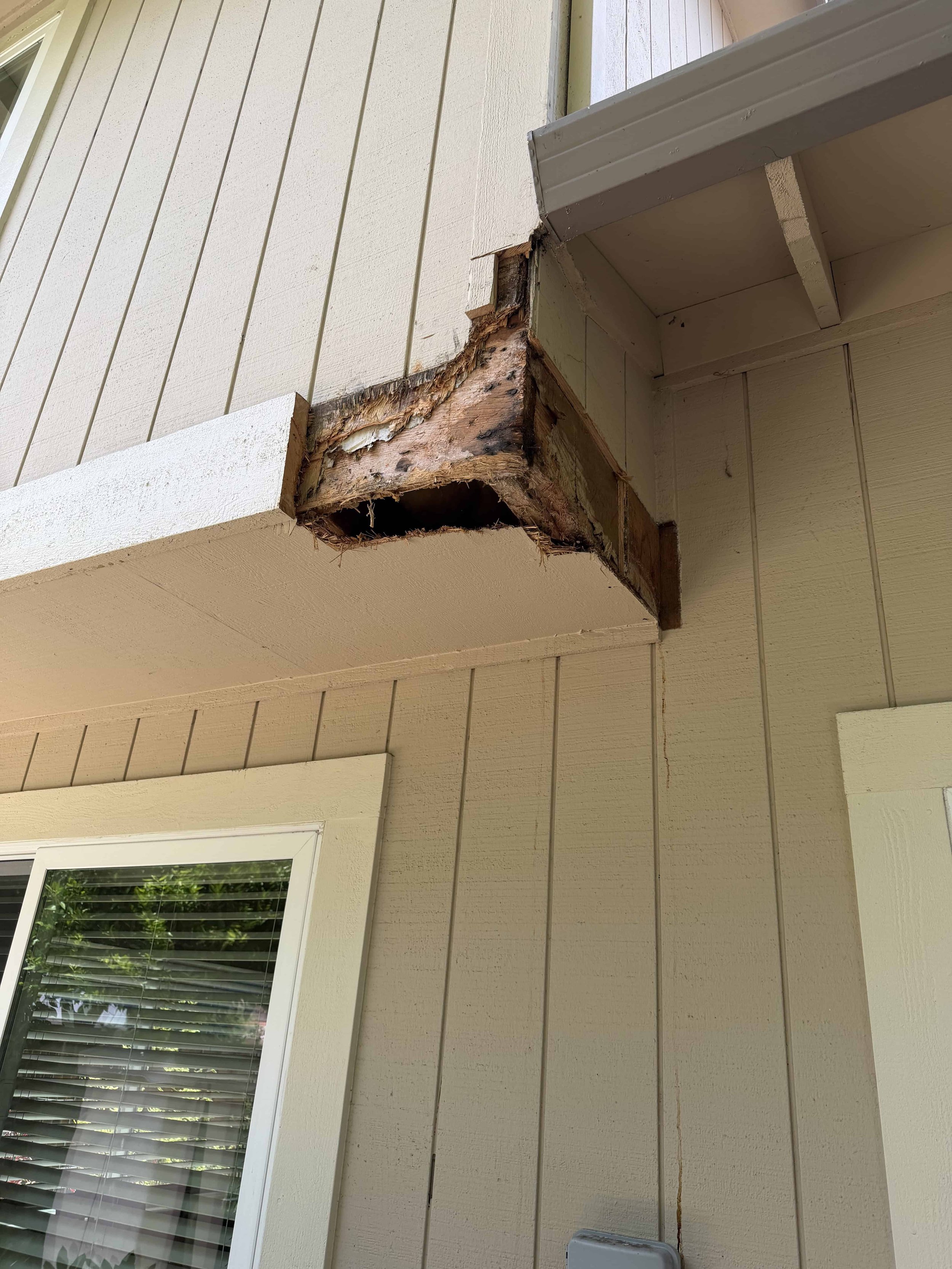
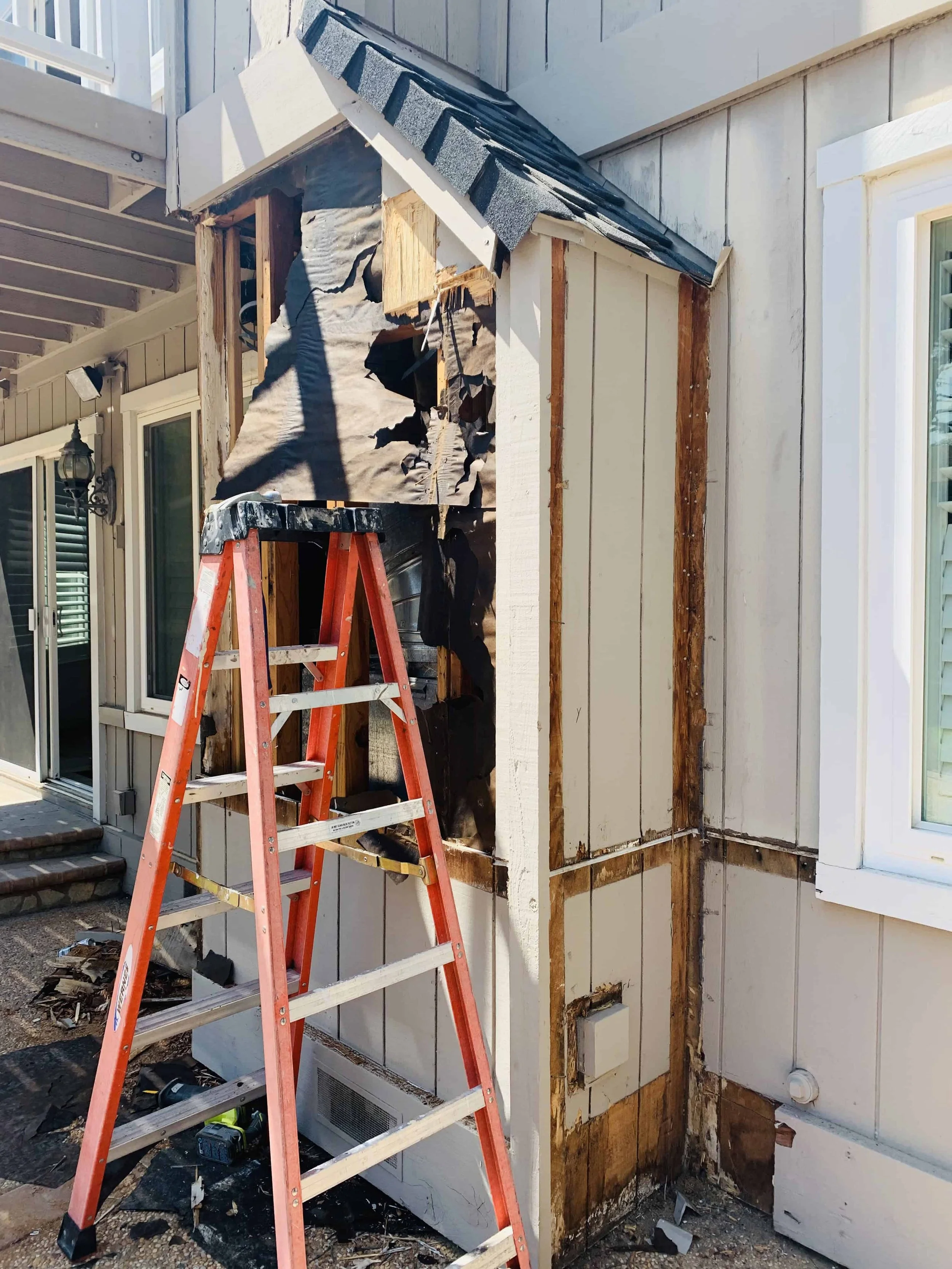
Our Silicon Valley region is going to experience a deluge of rain for a sustained duration. If you have any open penetrations or dry rot, such as termite holes, gaps in the siding, small cracks in your trim, or spaces between the siding and trim, water will find a way into your house. Water is essentially lazy, and it is going to find a way inside of the house with these sorts of problems. And if there is any way water can encroach in your house, it will find a way. I see this all of the time when I inspect siding—even the smallest space will mean water is hiding inside the wood of a home. Below are some examples of common water damage we see.
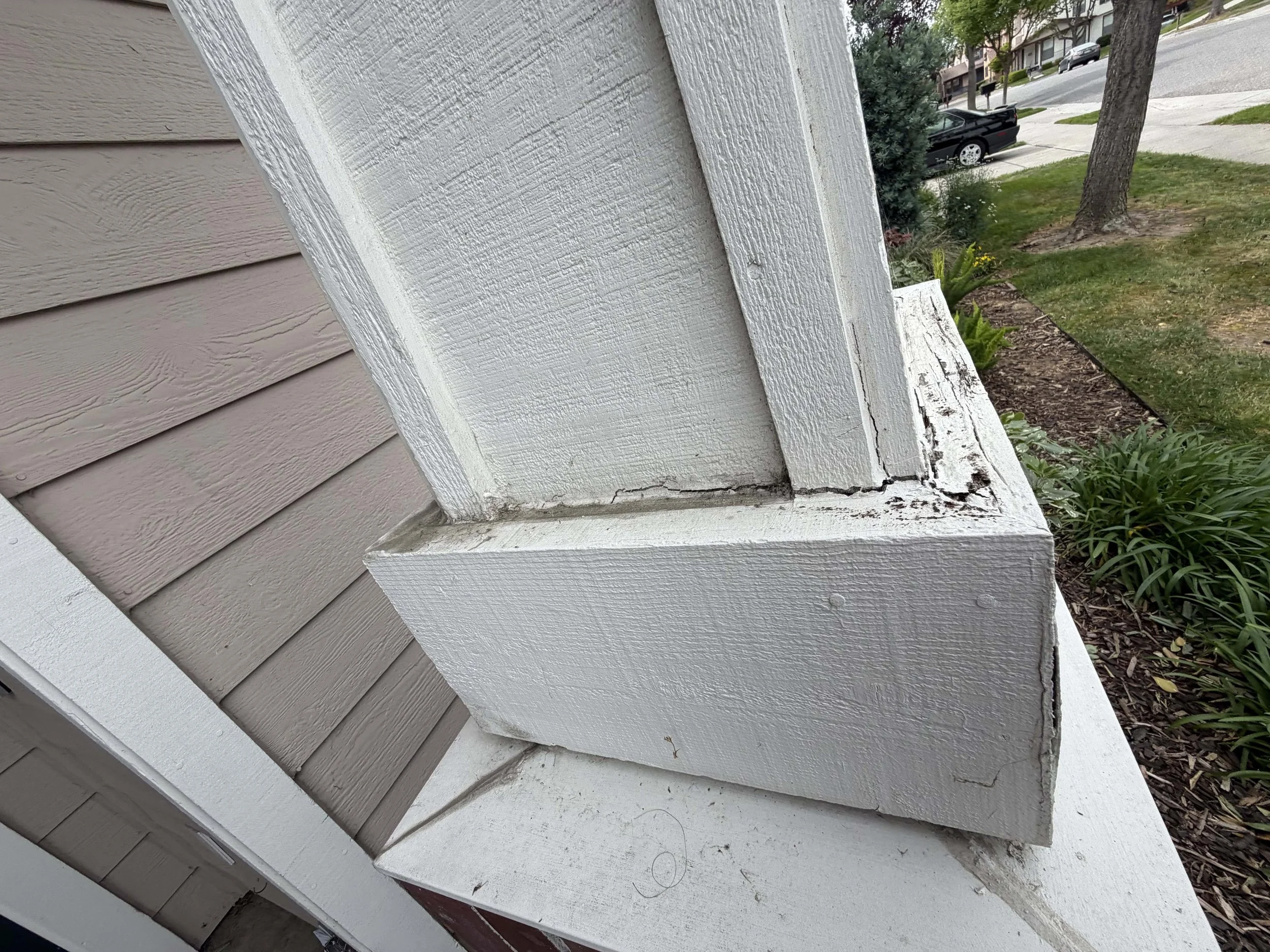
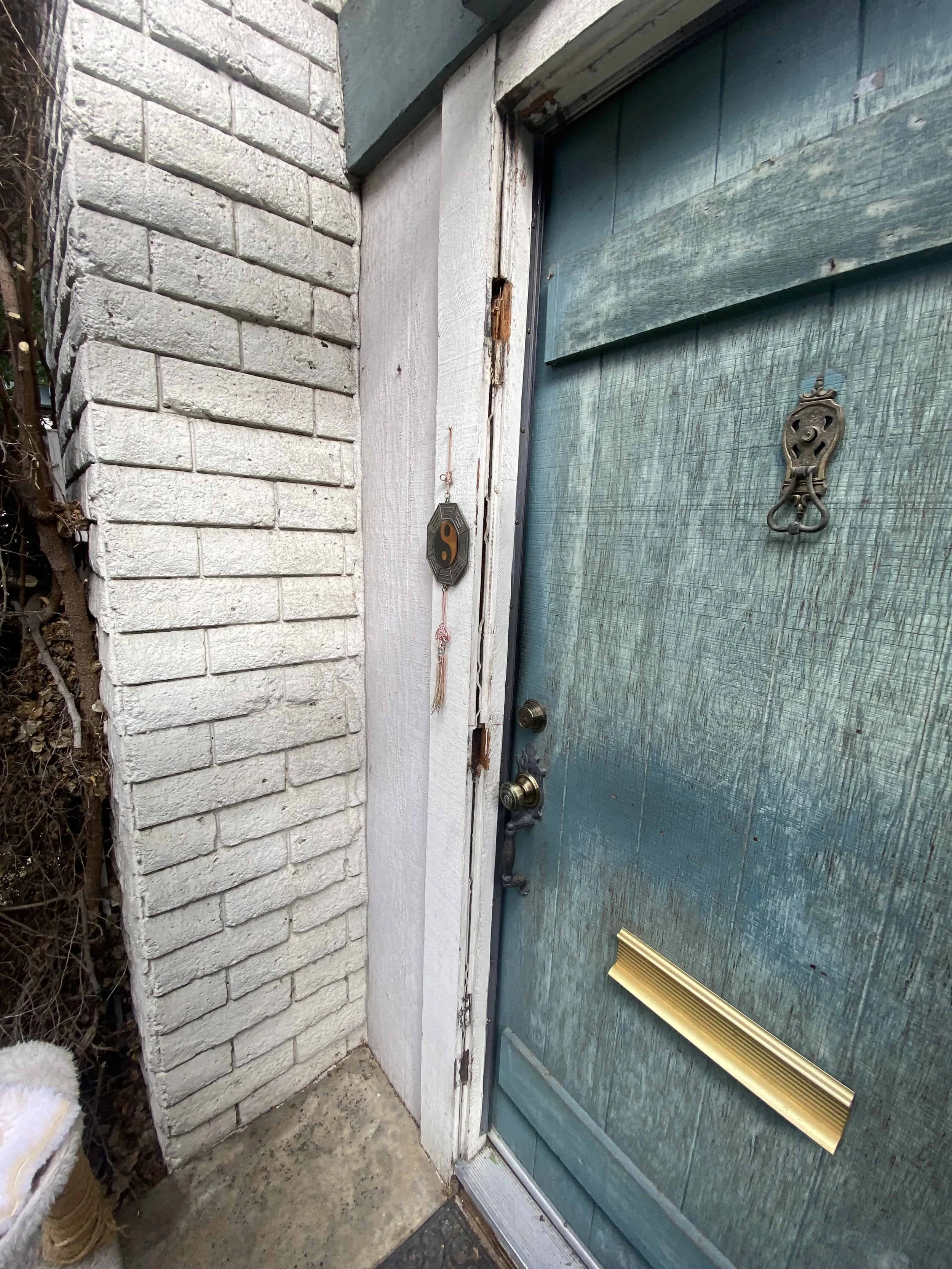
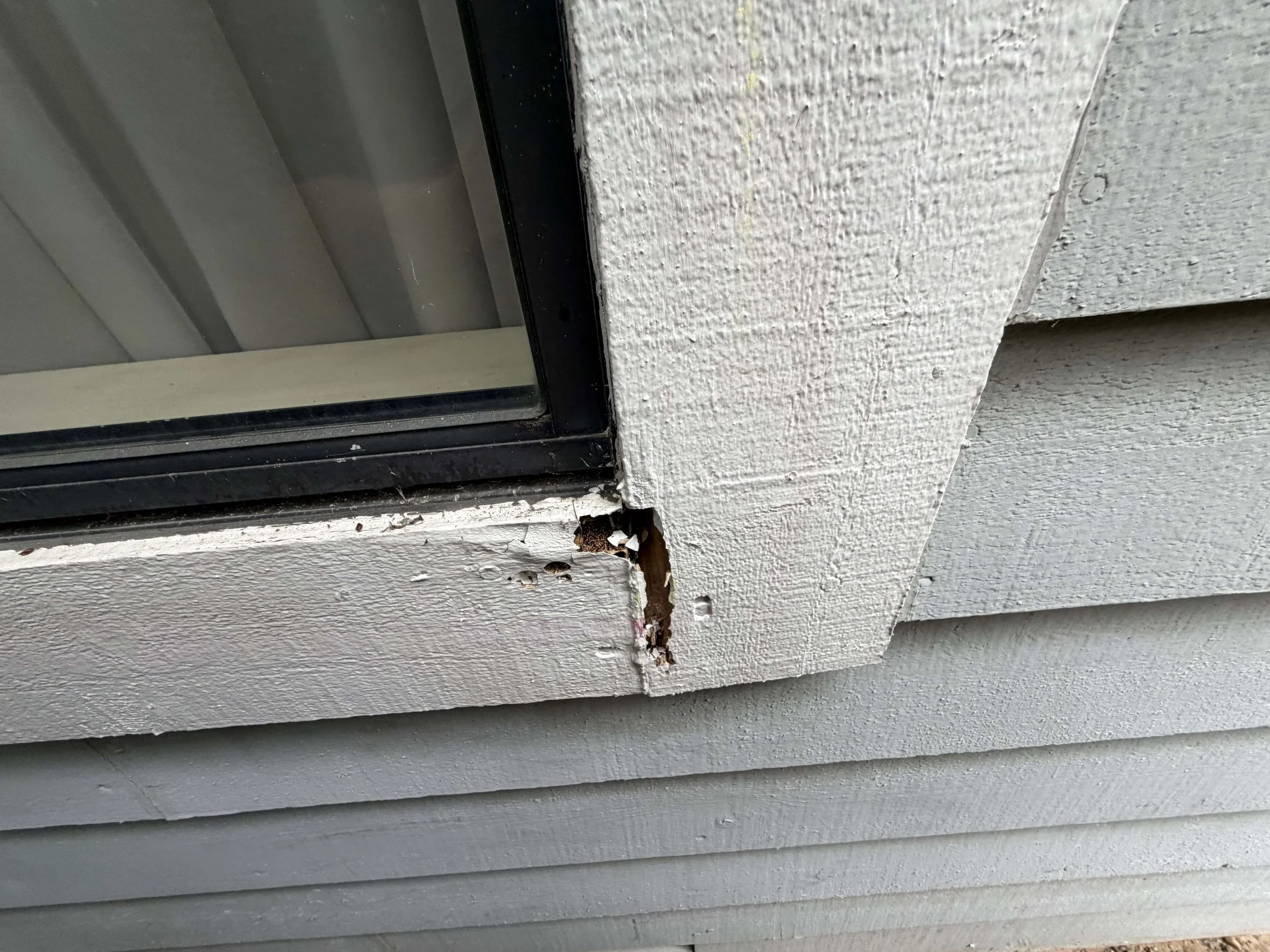
How to Spot Water Damage in Your Silicon Valley Home
If you’re worried about your siding or trim, the first step you can do as a homeowner is to have a look at your paint.
Check to see if it is oxidized or breaking down. A sure sign of this is color fading and a cloudy, chalk-like appearance, or you have bubbles and peeling. Note even the tiniest of spots.
These are the areas are where water will start into soak the wood during our El Niño season. The paint does a very important job that many homeowners don’t realize, as it acts as a shield that keeps the water out and the wood dry. When the wood gets wet, it allows the substrate to be inundated with a fungus that is called dry rot.
Another thing to be mindful of with your paint and siding is noticing if one side of you house is getting intense direct afternoon sun. This is especially the case if you have sprinklers or vegetation hitting the siding on that side of your house. This often results in significant water damage over time. You will likely see this phenomenon in the paint, and it is almost always the side of the house where paint oxidation, bubbles, and contact wear occurs.
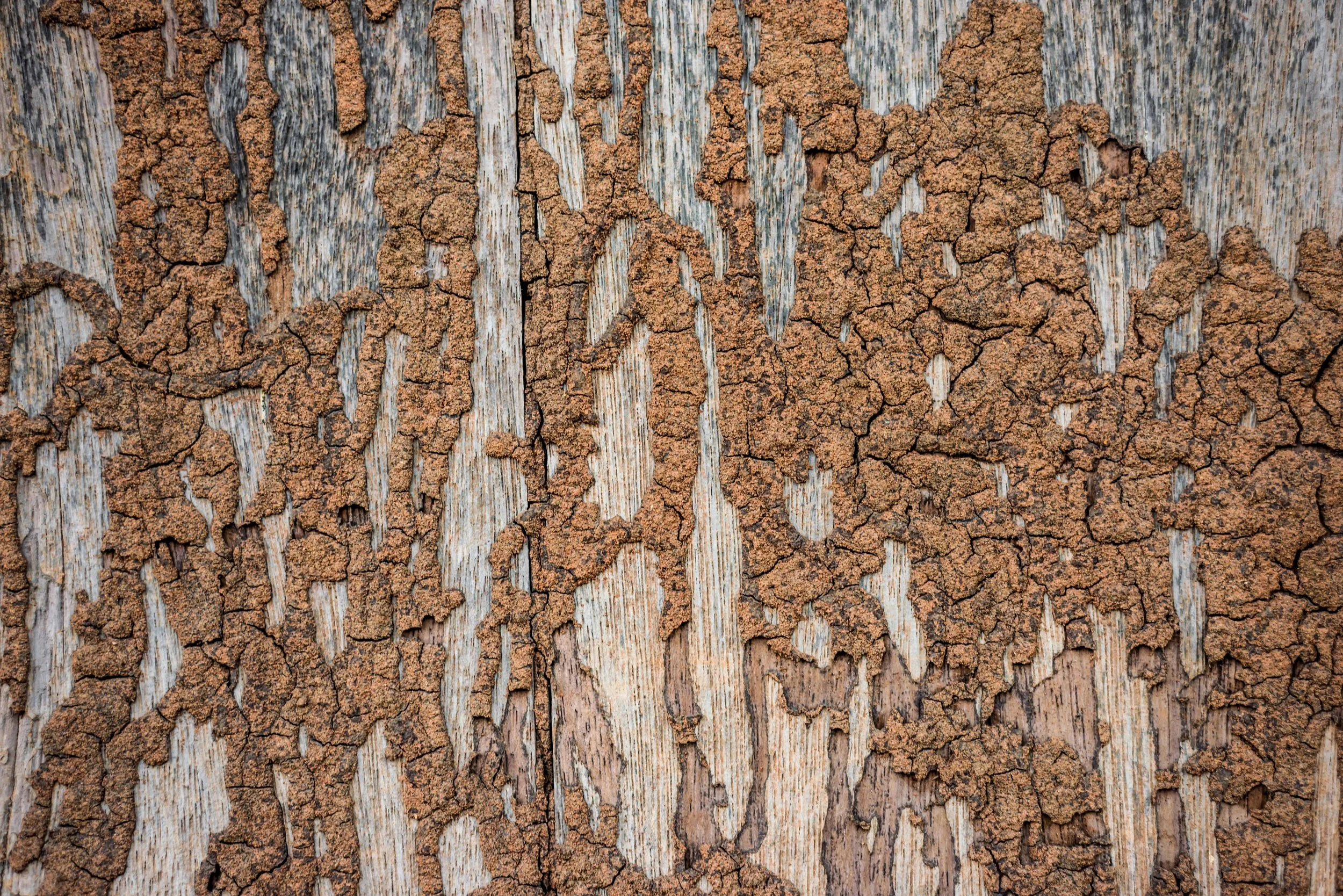
Our Bay Area climate creates a perfect environment for termites. If you see mud tubes like these, it’s time to address termite damage and water encroachment.
The Bay Area is located a very special climate called a “mild Mediterranean” climate, which comes with dry summers. Unfortunately that is a perfect breeding ground for termites.
And then add to that an especially wet winter like El Niño will bring, which then allows dry rot to prosper because of all the accompanying humidity.
As a result, you get an ideal ecosystem for termite tunnels. Look for mud tubes that the termites build to move around. You can find these usually against the outside foundation of your home if your house is on a slab or in the basement or cellar if you have one. Sometimes they will even appear in your house hanging from wood!
We are also fortunate to have a really nice tree canopy here in the Bay Area and have lots of birds. Which means woodpeckers thrive in our leafy Silicon Valley climate and love poking holes in people's homes looking for those termites, while this is less common than termite damage creating water encroachment, we still do see this issue from time to time, so keep an eye out of woodpecker holes.
If you see any of these things common bits of damage, or anything else anything that doesn’t seem quite right, reach out to a licensed and insured general contractor like us and we can help figure out what, if anything, is wrong and the steps to make correct and prevent further water damage to your Silicon Valley home.
How We Fix El Niño Water Damage: A General Contractor’s Approach
The first step in the process of repairing water damage to home siding is a thorough inspection.
As a licensed general contractor and a Bay Area native, I have years of experience with our region’s homes and their siding and will help you make the determination of how to tackle the problem best and while also preventing future water damage before the next El Niño hits.
The first step we take in addressing El Niño-caused water damage is removing and repairing the underlying areas that have been affected by water and dry rot. Given our experience and thorough inspection before starting work, we very rarely are surprised at what we find, so we already will have a plan to fix it, and almost always have let the homeowner know in the bidding process what work we anticipate being necessary.
When it comes to siding repair, it’s important to know that we always match your current siding, so when the repair is done it will be as unnoticeable as possible. Because of our trusted industry relationships and longtime local connections, we can match pretty much any historic styles seen in San Jose and the surrounding Silicon Valley area, including even having specialty Eichler and Mid-Century Modern siding milled to exact specifications or finding the perfect match for an older Victorian home. For newer homes, we have access to anything that is currently used in Bay Area homebuilding, including the popular board and batten-style siding.
After doing any essential structural repairs, installing the new trim or siding, and caulking, the painting begins. We match your house’s current color and paint type and our crew will quickly, cleanly, and meticulously get your newly-repaired siding and trim looking like it was never damaged.




Timing Your Water Damage Repairs in Silicon Valley
Let’s be clear: The best time to tackle repairing water damage in our Bay Area region is before the El Niño rains start.
Siding and trim installation and repair work best when the there is time for the paint to dry and seal things up to create a barrier preventing water damage. Paint especially needs a lower humidity to dry fully and appropriately. If you’re concerned about your siding, please reach out to us for a free evaluation as soon you notice any issues such as the gaps or holes I mentioned, as this winter is looking to be especially tough on all of our homes.
If you have a water damage emergency during the winter do not delay in addressing it, even in the bad weather as it will only get worse if ignored. While inclement weather is not the perfect time for comprehensive repairs, there are steps we can take to make repairs during the wet weather, such as tenting the area to prevent further damage, and we will likely need to touch up the project when the weather warms up and the El Niño pattern is thankfully behind us.
Protect Your Home Before the Deluge Hits
Don’t wait until the first atmospheric river arrives to discover where your home's weak spots are. Small gaps in siding, neglected trim, or unaddressed pest damage can turn into major structural repairs once relentless wet weather hits Silicon Valley.
A proactive approach can save you money if you tackle water damage restoration sooner rather than later. If you spot any of the signs of water damage or siding and paint vulnerabilities I’ve mentioned, contact our team to schedule a free siding and trim evaluation, and let’s make sure your Silicon Valley home stays dry, safe, and fully protected all year long.
Key Takeaways: Preparing Your Bay Area Home for a El Niño Season
A historic El Niño is forecasted for 2026–2027. With a 70% chance of being the strongest pattern since 1950, the Bay Area and Silicon Valley face sustained, heavy downpours that make home moisture protection essential.
Failing paint is your first warning sign of water intrusion. Faded, chalky, or bubbling paint loses its protective seal, allowing water to soak into exterior wood and create dry rot through the smallest cracks and gaps.
South- and west-facing siding faces elevated risk. Areas exposed to intense afternoon sun, especially where garden sprinklers or dense vegetation hit the walls, experience rapid paint degradation and structural moisture damage.
Local climate conditions create an ideal environment for pests. Mild, dry summers encourage termite activity—visible via exterior mud tubes—while woodpeckers searching for insects can drill additional entry points for rainwater.
Pre-winter repairs are critical for proper sealing. Paint and caulking require dry, low-humidity weather to cure effectively, though an expert licensed general contractor can apply emergency temporary tenting if leaks occur mid-storm.